CheckValue
Listing agents, small investors, wholesalers and property managers all end up asking the same question: who owns that house, and how do I reach them? A property owner lookup in the public record answers the first part for any US address and, for absentee owners, usually the second. What separates a professional from a nuisance is what happens next. For the basic lookup, the article on finding a property's owner takes the assessor and recorder search one screen at a time.
Who looks up owners and why
- Listing agents prospect owners who are likely to sell: long-held homes, out-of-state owners, estates. The letter that works is the one that says what the house is worth today and why.
- Investors and wholesalers look for off-market purchases: absentee owners, vacant houses, tax-delinquent parcels, owners in probate.
- Property managers contact absentee owners of rented houses who might want management.
- Neighbors and buyers want one specific house that is not for sale.
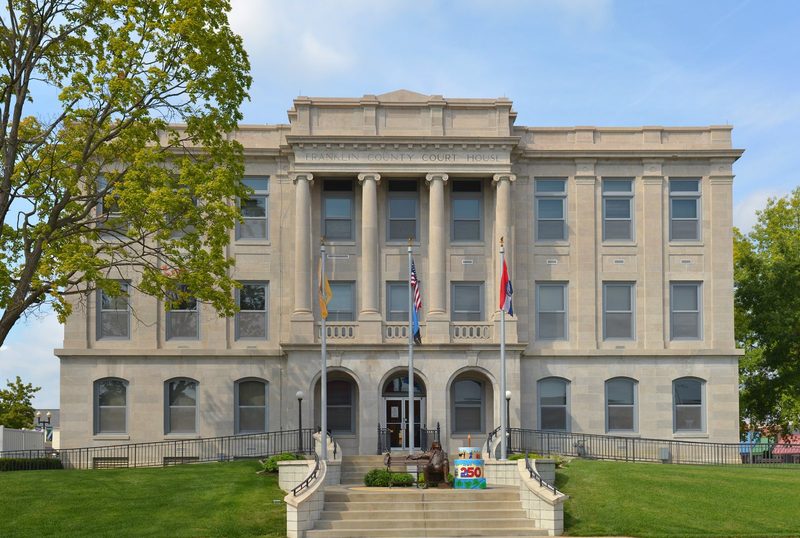
All four start from the same public files. An owner's name, mailing address and the history of recorded deeds are public in every state; Los Angeles County, the example here, sells copies of any recorded document to anyone and keeps them back to 18501. The explainer on property records describes what each county office holds.
How to find absentee owners: the data chain from county record to contact
Step 1: the absentee flag. The assessor's roll carries, for each parcel, a situs address (where the property is) and a mailing address (where the tax bill goes); in Los Angeles County the Treasurer and Tax Collector mails the bill to the address on file with the Assessor10. When the two differ, the owner does not live there. Most county portals print both on the parcel page. Los Angeles County's public Assessor Portal does not: it shows the parcel's values, exemptions and characteristics but leaves off the owner's name and mailing address2, so there the flag comes from roll data (the bulk extracts that data vendors license and resell) or, parcel by parcel, from a missing homeowners' exemption plus the recorded deed. Data vendors build their "absentee owner lists" from exactly this comparison, run across the whole roll.
Step 2: confirm the owner. The assessor roll can lag a sale by months. The latest recorded deed at the recorder shows the current vesting: a person, a married couple, a trust or a company1. When it is an LLC or a trust, the LLC and trust article shows the route from the entity to a person. FinCEN's beneficial ownership database is not an option for U.S. companies: the interim final rule of March 2025 exempted them from reporting and a final rule of August 11, 2026 made the exemption permanent, so the Secretary of State's business registry is the trail3.
Step 3: the mailing address. For most absentee owners the mailing address on the assessor record is the contact: it is where the county reaches them.
Step 4: skip tracing, if needed. When the mailing address is a PO box, a management company or stale, skip tracing means locating the person's current address, phone or email from public records and commercial databases. It is a lawful research activity; the legal risk sits in how the result is used and how the person is contacted.
Step 5: contact. Letter, call, text or door knock. Each has its own rules.
The legal frame: FCRA, TCPA, Do Not Call, Telemarketing Sales Rule, Fair Housing
Owner prospecting touches four bodies of federal law. None of them prohibits writing to an owner; all of them limit what you do with the data and how you call.
| Rule | What it governs | What it means for owner outreach |
|---|---|---|
| FCRA (15 U.S.C. § 1681 et seq.)45 | Consumer reports assembled for decisions on credit, employment, insurance, housing and similar eligibility | Public property records are not consumer reports. Using skip-trace or owner data to screen a tenant, hire someone or underwrite a loan requires a permissible purpose; do not mix prospecting data into those decisions. |
| TCPA (47 U.S.C. § 227)6 | Autodialed, prerecorded and artificial-voice calls and texts, especially to cell phones | Prior express consent is required before such calls or texts; the statute gives recipients a private right of action. Robocalls and mass texts to owner lists are the highest-risk channel. |
| Telemarketing Sales Rule (16 CFR Part 310)7 and National Do Not Call Registry8 | Telemarketing calls, including manually dialed ones | Scrub lists against the registry, respect the rule's calling hours, identify yourself and your purpose, honor entity-specific do-not-call requests. |
| Fair Housing Act (42 U.S.C. § 3601 et seq.)9 | Discrimination in housing on the basis of race, color, national origin, religion, sex, familial status and disability | Never select, exclude or vary your message by a protected class or by a proxy for one, whether in a mailing list or in a neighborhood you choose to canvass. |
Two clarifications professionals often get wrong. First, the FCRA question is about use, not source. The same skip-trace record is fine for finding a seller and unlawful for screening an applicant without a permissible purpose4; keep the two workflows apart. Second, a manually dialed call is not exempt from everything: the TCPA's consent rules focus on autodialers and prerecorded voices6, but the Telemarketing Sales Rule and the registry still apply to a telemarketing call made by hand78. Several states add their own telemarketing and consumer privacy laws on top, California's among the strictest; if you buy skip-trace data, buy it from a vendor that documents its compliance with them.
This is general information, not legal advice.
Outreach that gets answers: letters, not robocalls
A letter to the owner's mailing address carries no TCPA, Telemarketing Sales Rule or Do Not Call restriction, reaches the person the county reaches, and can be read at leisure. What works, in our experience:
- Say who you are in the first line. Name, brokerage or company, license number where your state requires it, return address. Anonymous letters are discarded.
- Say what you want in the second. "I have a buyer for a three-bedroom house on your street" or "I am asking owners on Example Street whether they would consider selling." No fake urgency, no claims about the owner's finances, no "we buy houses" mystery.
- Give something. A short, specific statement of what the house is worth today, with the source, is the strongest reason to keep reading. A generic "home values are up in your area" is not.
- Make declining easy. One line: reply or call and you will not hear from us again. Then honor it, and keep your own do-not-contact list.
- Mail more than once. A single letter tests nothing. A sequence of three or four over a year, each with a different reason to write, is how the professionals we know do it; most letters will still go unanswered, and that is normal.
- No door knocking on vacant houses, no notes on doors implying the property is unattended.
Handwritten envelopes, first-class postage and a real signature all raise open rates; none of them substitutes for saying something true and useful inside.
Tools compared: county sites, data subscriptions, CheckValue Pro
| Tool | What you get | Cost model | Where it fits |
|---|---|---|---|
| County assessor and recorder sites21 | The authoritative record: deeds, characteristics, tax status and, in most counties, the owner and mailing address (Los Angeles County's public portal omits them) | Free to search; copy fees for documents | Confirming any single parcel before you write |
| Data subscriptions (PropStream, PropertyRadar, DealMachine and similar) | Bulk filters across the roll, absentee and equity flags, exports, skip-trace add-ons | Monthly subscription plus per-record fees for phone numbers | Building lists at volume |
| Skip-trace vendors | Current address, phone, email for a named person | Per record | The minority of owners the mailing address does not reach |
| CheckValue Pro | For each address, a cited valuation report: value and range, comparables, price index, rent estimate and gross yield, costs, maps, crime score, and for US addresses the owner of record; PDF with your letterhead | $45 a month in the US app or €49 on the web for 30 reports; no free trial | Turning a name on a list into a letter with a number in it |
The subscriptions and CheckValue do different jobs. A list tool tells you whom to write to; CheckValue tells you what to write about the house. A two-person team that mails a few dozen letters a month can run the whole workflow on the free county sites plus a Pro plan; a team mailing thousands needs the bulk filters and will still want a cited number in the letter.
Forty absentee-owner letters in one Los Angeles ZIP code for about $140
The figures below are assumptions for illustration, not statistics.
An agent picks one ZIP code in Los Angeles County and wants to write to 40 absentee owners of single-family homes held for more than ten years.
| Step | How | Assumed cost |
|---|---|---|
| Build the list | Roll data filtered for mailing address ≠ situs address, single-family, last transfer before 2016; 40 parcels chosen | One month of a data subscription (Los Angeles County's free portal shows neither owner nor mailing address2, so the bulk filter needs roll data) |
| Confirm vesting | Latest deed for each parcel at the Registrar-Recorder1; note trusts and LLCs | Copy fee per document where one is needed |
| Value each house | CheckValue Pro: the 30 reports included in month one, the remaining 10 in month two (or as extra reports on the plan, €0.99 each on the web), each with the value, comparables and the district trend, PDF on the agent's letterhead | $45 a month in the app or €49 on the web, two months |
| Write and mail | One page, first-class postage, handwritten envelope; assume $1.25 per letter for printing, envelope and stamp | $50 for 40 letters |
| Follow up | Second and third letter at 90-day intervals, same list minus opt-outs, reusing the reports | About $50 per round |
Total for the first round of 40 letters: about $140 (two months of Pro at $45 plus $50 of printing and postage), plus the list subscription and the agent's time. What the number in the letter changes is not the cost but the reply: an owner who has held a house since 2005 has no current idea of its value and no reason to answer a generic postcard, and every reason to look at a one-page letter that names a value and shows the three sales behind it. Whether one, two or none of the 40 reply is the campaign's outcome, not something a guide can promise.
Owner of record, comparables and your letterhead in one Pro report
CheckValue Pro is the same AI valuation report as the single report, sold as a monthly allowance of 30 for people who write to owners at volume, with six-month and annual plans, per-report extras, monthly cancellation and no free trial. Three things in it matter for this workflow.
The owner and the value on one page. For a US address the report names the owner of record from the county files (whether a person, a trust or a company holds title, when the parcel last changed hands, and the city the tax bill goes to) beside the current value and range. The absentee check and the substance of the letter come out of one lookup.
The sales behind the number. The report lists the comparable sales it used, with distance and closing date, and shows the district average and the official price index. Those are the lines that belong in the letter: not "values are up in your area" but the street, the month and the price of the homes that actually sold. A rent estimate and gross yield sit next to them for owners who let the house, the group property managers write to.
Your letterhead on the PDF. Every Pro report carries your branding, so the page you enclose reads as your work rather than a portal printout. Behind it, each adjustment is documented with coefficient and source, and a numbered reference list closes the report.
It is not a licensed appraisal, a title search or a list-building tool; it values one address at a time, with the reasoning visible, which is what a listing letter or an offer needs. The Pro plan is described on the pricing page, with the single-report and pack prices for occasional use; the pre-listing valuation report guide shows how agents use it in listing presentations, and the portfolio valuation guide covers property managers with many units.
FCRA notice. Owner-of-record and property data in CheckValue reports come from public county records and are provided for property research and valuation. They may not be used to make decisions about anyone's credit, employment, insurance or tenancy. CheckValue is not a consumer reporting agency and its reports are not consumer reports under the Fair Credit Reporting Act5.
The owner letters that got answers in my years in Tenerife and Austria were the ones that could only have been written to that one house: the street, the year they bought, what comparable homes had just sold for. Every letter that could have gone to anyone went in the bin, including some of mine.
Ethics: vacant homes, elderly owners, distressed sellers
The data chain in this guide leads to people who may be old, grieving, in debt or simply absent, and the law is only the floor.
- Vacant houses. Do not enter, do not photograph interiors through windows, do not leave notes that advertise the vacancy. Check the tax collector for delinquency and the probate index for an estate before you write, and address the letter to the personal representative if there is one.
- Elderly owners. A long-held home with an out-of-area mailing address is often a parent in care and a child paying the bill. Write to the mailing address, state a real value with its source, and never pressure. If a relative or attorney answers, deal with them.
- Distressed sellers. Notices of default and tax delinquency are public, and writing to those owners is lawful. Offers below market are lawful too. Misstating the value, the timeline or the owner's options is not, and it is where wholesaling gets its reputation. A cited valuation in the letter protects the owner and you.
- Fair Housing, again. Choosing which streets to canvass by who lives there, or varying the offer by who answers, is discrimination whether or not anyone intended it9.
Owner data is public because property is public. Treat the person behind the record the way you would want a stranger with your mailing address to treat you, and the record stays useful for everyone.
This is general information, not legal advice.
Frequently asked questions
How do investors find absentee owners?
They filter the county assessor's roll for parcels whose mailing address differs from the property address, which means the tax bill goes somewhere else. Then they confirm the current owner and vesting on the latest recorded deed at the county recorder, and write to the owner at the mailing address on record. Data subscriptions automate the filter; the underlying records are the same public files anyone can search.
How do I find absentee owners for free?
Use the county assessor's public search. Most portals show each parcel's situs address and the owner's mailing address; when they differ, the owner is absentee. Los Angeles County's portal omits the owner's name and mailing address, so there you read the homeowners' exemption field (absent on most non-owner-occupied homes) and confirm the owner on the recorded deed. Free lookups work parcel by parcel; a data vendor sells the bulk filter, the export and the phone numbers.
Is skip tracing legal in real estate?
Locating a person's current address or phone number from public records and commercial databases is legal. The line is use: if you use a consumer report to decide on someone's credit, employment, insurance or tenancy without one of the permissible purposes the Fair Credit Reporting Act lists, you break the law. Contact rules apply next: the TCPA for calls and texts, the Telemarketing Sales Rule and the Do Not Call Registry for telemarketing. Letters carry none of those restrictions.
Can I send a letter to a property owner who is not selling?
Yes. Mail to a property owner about buying or listing their property is lawful and is not covered by the TCPA or the Do Not Call Registry, which govern calls and texts. Keep it honest: identify yourself and your brokerage or company, state the purpose in the first line, make no claims about the owner's situation, and make it easy to decline. Never pick or drop recipients by a protected class, whether race, religion, national origin, familial status, disability or any of the others.
How do I find the owner of a vacant or abandoned house?
Start with the assessor record and the latest deed at the recorder for the owner and vesting, and check the tax collector for delinquent taxes. If the owner is an LLC, search the Secretary of State's business registry; U.S. companies have not filed beneficial ownership information with FinCEN since the March 2025 interim final rule, made permanent in August 2026. If the owner appears to be deceased, the probate court index is the next stop.
Does the FCRA apply to property records?
Not to the records themselves. County deeds, assessor rolls and tax bills are public records, not consumer reports. The Fair Credit Reporting Act applies when information about a person is assembled and used to decide their eligibility for credit, employment, insurance or housing. That is why CheckValue provides its owner-of-record data with a notice that it may not be used for those decisions.
Does the TCPA apply to cold calls to homeowners?
Yes, when the call or text is made with an autodialer or a prerecorded or artificial voice to a cell phone without the person's prior express consent, and the statute gives the recipient a private right of action. Manually dialed calls still fall under the Telemarketing Sales Rule and the National Do Not Call Registry when they are telemarketing: check the registry, call only within permitted hours and identify yourself.
This article is general information, not legal, tax or investment advice. Figures and rules carry the year they were published; check the cited source for the current version.

Josef Eckmair MBA is co-founder of CheckValue and managing director of CBDNOL GmbH (Ansfelden, Austria). He has more than 20 years of real estate experience in Tenerife and Austria and writes about appraisals, taxes, selling costs and valuations for professionals.
Articles by Josef Eckmair →Sources
- 1officialReal Estate Records: who can obtain copies, records since 1850Los Angeles County Registrar-Recorder/County Clerk · 2026Recorded deeds, including the current owner's vesting, are public and available to anyone as copies.lavote.gov ↗
- 2officialAssessor Portal: property search by address or AINLos Angeles County Office of the Assessor · 2026Public parcel lookup by address or AIN with values, exemptions and characteristics; the public page does not show the owner's name or mailing address, which sit on the assessment roll and the recorded deed.portal.assessor.lacounty.gov ↗
- 3officialBeneficial Ownership Information Reporting: U.S. companies exempt (interim final rule of March 2025, final rule of August 2026)Financial Crimes Enforcement Network (FinCEN) · 2026The interim final rule of March 26, 2025 exempted U.S. companies from BOI reporting and the final rule of August 11, 2026 (effective August 14, 2026) made the exemption permanent, so the state business registry is the trail.fincen.gov ↗
- 4law15 U.S.C. § 1681b: Permissible purposes of consumer reports (FCRA)Legal Information Institute, Cornell Law School · 2026The purposes for which a consumer report may be furnished, including credit, employment, insurance and other eligibility decisions.law.cornell.edu ↗
- 5lawFair Credit Reporting Act (statute overview)Federal Trade Commission · 2026The scope of the FCRA: it governs consumer reports assembled for eligibility decisions, not public property records as such.ftc.gov ↗
- 6law47 U.S.C. § 227: Telephone Consumer Protection Act (TCPA)Legal Information Institute, Cornell Law School · 2026Restricts autodialed and prerecorded calls and texts to cell phones without prior express consent and provides a private right of action.law.cornell.edu ↗
- 7law16 CFR Part 310: Telemarketing Sales RuleFederal Trade Commission (eCFR) · 2026The FTC's rules for telemarketing: Do Not Call compliance, calling hours, caller identification and prohibited practices.ecfr.gov ↗
- 8officialNational Do Not Call RegistryFederal Trade Commission · 2026The FTC's registry of telephone numbers that telemarketers may not call; calling lists must be scrubbed against it.donotcall.gov ↗
- 9officialHousing Discrimination Under the Fair Housing ActU.S. Department of Housing and Urban Development · 2026The protected classes: race, color, national origin, religion, sex, familial status and disability.hud.gov ↗
- 10officialSecured Property Taxes: Frequently Asked QuestionsLos Angeles County Treasurer and Tax Collector · 2026Property tax bills are mailed by November 1 to the owner's mailing address on file with the Office of the Assessor, which is why the roll's mailing address is where an absentee owner can be reached.ttc.lacounty.gov ↗